 robertoluoch oluoch
May 7, 2026
robertoluoch oluoch
May 7, 2026
Exploring how technology transforms the gambling landscape
The Rise of Online Gambling Platforms
The transformation of the gambling landscape has been significantly driven by the rise of online gambling platforms. These digital venues offer unprecedented access to betting opportunities, allowing users to place wagers from the comfort of their homes. This convenience has led to an explosive growth in the number of online gamblers, particularly during periods when traditional casinos faced restrictions. Many users now prefer online platforms for their diverse offerings, including features such as sports betting uk sites and various casino games.
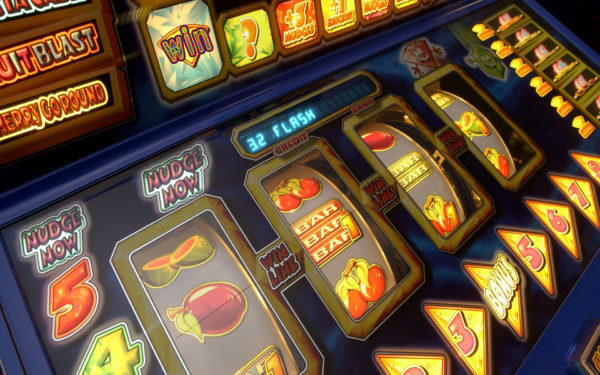
Moreover, the technological enhancements in mobile applications have made gambling even more accessible. Players can now engage in real-time betting via their smartphones or tablets. This shift towards mobile technology means that users can enjoy gambling experiences wherever they are, ensuring that the industry remains vibrant and appealing. Such accessibility is a key factor in attracting new customers and retaining existing ones.
Additionally, the user experience has greatly improved with advanced technologies. User-friendly interfaces, easy navigation, and seamless payment options have transformed online gambling into a more enjoyable experience. As platforms compete for market share, they continuously innovate to attract and retain players. This competitive environment has led to the development of features like live dealer games and virtual reality casinos, which further enhance the online gambling experience.
Data Analytics and Personalization
Another major technological advancement in the gambling industry is the use of data analytics. Operators leverage vast amounts of data to understand player behavior, preferences, and trends. This information allows them to tailor their offerings, creating personalized experiences that resonate with individual users. For instance, a platform might recommend games based on a player’s previous interactions, enhancing engagement and increasing the likelihood of return visits.
Moreover, data analytics enables operators to implement targeted marketing strategies. By analyzing user data, they can craft promotional campaigns that are relevant to specific segments of their audience. This precision in marketing not only boosts conversion rates but also fosters brand loyalty, as players feel more connected to platforms that understand their preferences. The ability to tailor experiences based on user data is a game-changer in retaining customers in a highly competitive market.
The insights gained from analytics also extend to responsible gambling measures. Operators can monitor gaming patterns to identify problematic behavior, allowing them to implement interventions when necessary. This proactive approach not only helps protect players but also enhances the industry’s reputation, positioning responsible gaming as a priority. As technology continues to evolve, so too will the capabilities of data analytics in improving both user experiences and player safety.
Blockchain Technology and Security
Blockchain technology has emerged as a transformative force in the gambling landscape, primarily due to its potential to enhance security and transparency. By utilizing decentralized ledgers, online gambling platforms can ensure that transactions are secure and tamper-proof. This level of security instills confidence in players, who can be assured that their funds are safe and that the games are fair.
Furthermore, the implementation of cryptocurrencies in gambling is gaining traction, providing players with an additional layer of anonymity and security. Cryptocurrencies like Bitcoin allow for faster transactions with lower fees compared to traditional payment methods. Players can enjoy instant deposits and withdrawals without the delays often associated with banking systems, enhancing the overall gambling experience.
Additionally, blockchain technology facilitates the development of provably fair gaming systems. Players can verify the fairness of games through smart contracts, which are self-executing agreements with the terms directly written into code. This transparency not only builds trust among users but also sets a new standard for fairness in the gaming industry. As more operators adopt blockchain solutions, the landscape will continue to evolve, promoting a culture of accountability and reliability.
The Impact of Virtual Reality and Augmented Reality
Virtual Reality (VR) and Augmented Reality (AR) are setting the stage for a new era in online gambling. These immersive technologies create engaging environments where players can experience the thrill of a casino from their own homes. VR casinos allow players to interact with others in a simulated space, providing a sense of community that traditional online platforms often lack. This level of immersion not only enhances the gaming experience but also attracts players who seek social interaction.
Additionally, AR technology can bring elements of the gambling experience into the real world. For example, augmented reality applications can overlay digital information on physical spaces, allowing users to engage with games in unique and innovative ways. These technologies are appealing to a younger demographic, who are increasingly seeking interactive experiences. By integrating AR and VR into their offerings, gambling platforms can capture the attention of new generations of players.
The combination of these technologies is reshaping how games are designed and played. Developers are experimenting with new formats that leverage the capabilities of AR and VR, leading to creative and engaging experiences that are unlikely to be replicated in traditional environments. As these technologies advance, they will play an essential role in defining the future of gambling, creating opportunities for unparalleled levels of engagement.

Conclusion: The Future of Technology in Gambling
The future of gambling is inextricably linked to technological advancements. As the industry continues to embrace innovations like online platforms, data analytics, blockchain, and immersive technologies, the experience for players will only grow richer and more engaging. Operators who prioritize technology are more likely to thrive in an increasingly competitive market, as they will be better equipped to meet the evolving needs of their customers.
Furthermore, the integration of technology not only enhances user experiences but also emphasizes responsible gaming and security. As players become more discerning and demand higher standards, the gambling industry must adapt to ensure safety and fairness. The potential for technology to revolutionize the gambling landscape is immense, promising a future where experiences are personalized, secure, and engaging.